
BioBlast Events
Contribute to science alongside a Laguna Ocean Foundation! Using iNaturalist, participants are guided through the tidepools and tasked with documenting as many species as possible. These efforts help scientists understand what species are inhabiting Laguna Beach, allowing us to determine which species need protection and how to safeguard them!
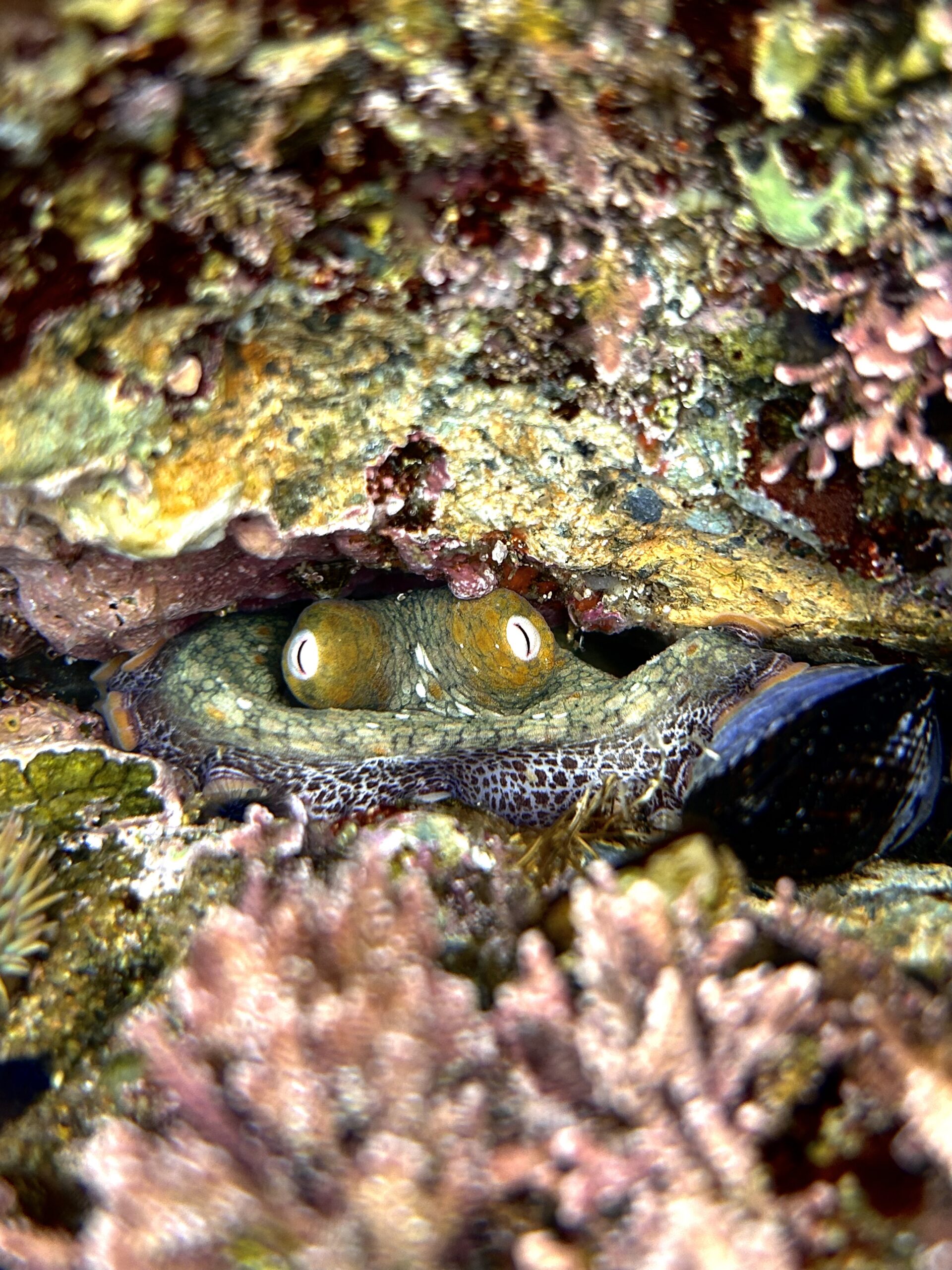
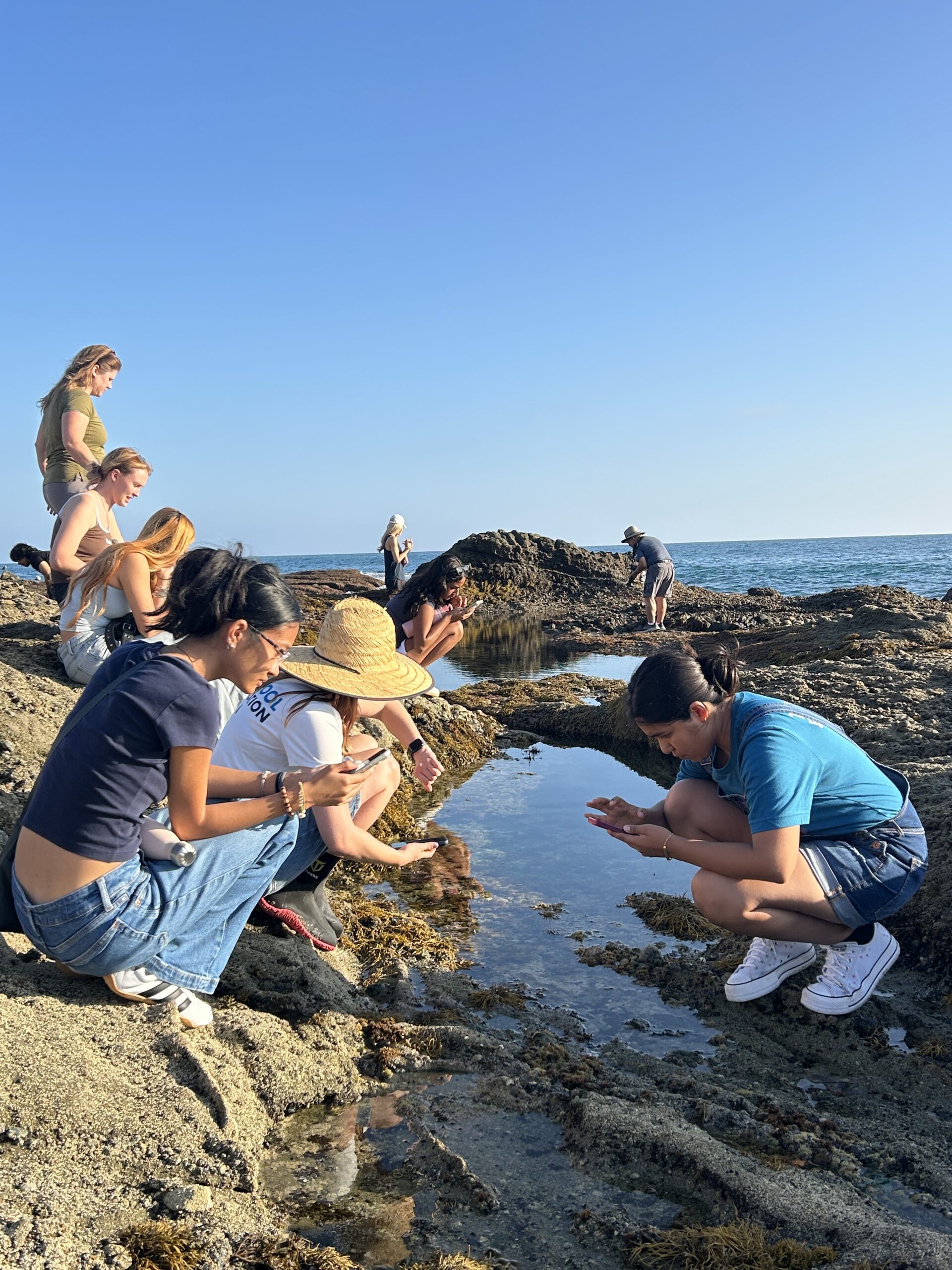
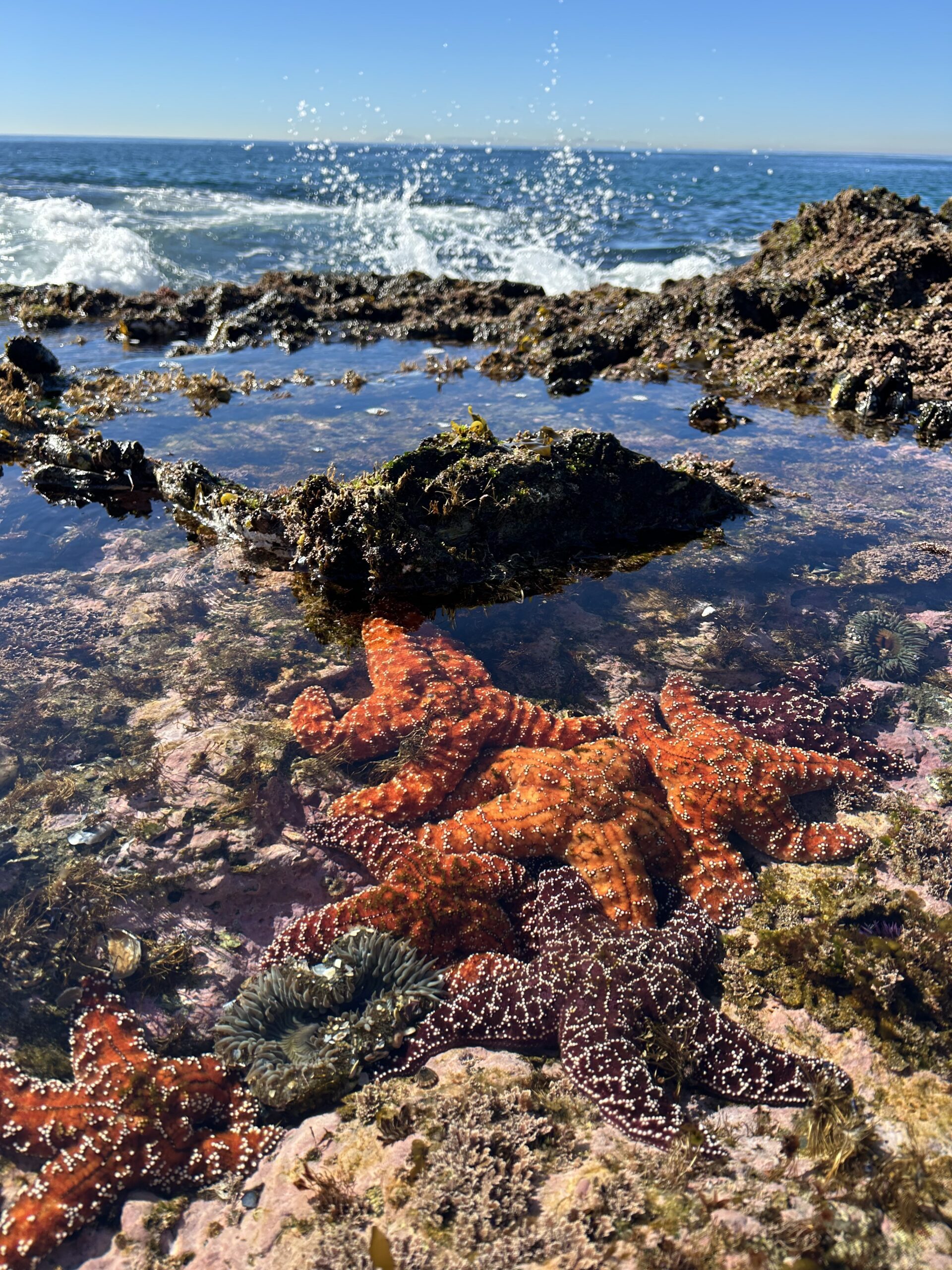
Join a BioBlast!
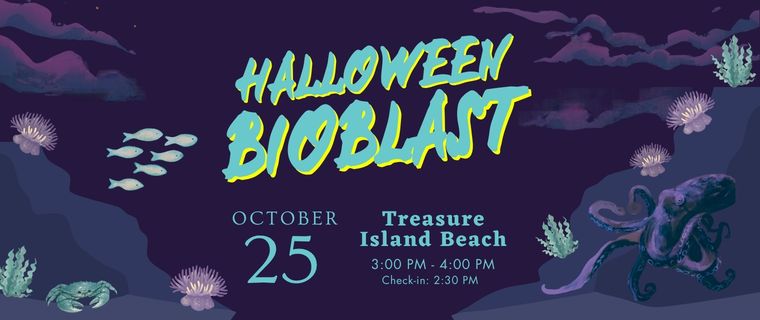
We are hosting a Halloween BioBlast on October 25th! Wear your costume and contribute to science with Laguna Ocean Foundation!
Interested in participating in a Private BioBlast? See our Private Experience Packages page to learn more on how to book a BioBlast Experience!
Community Science in Action
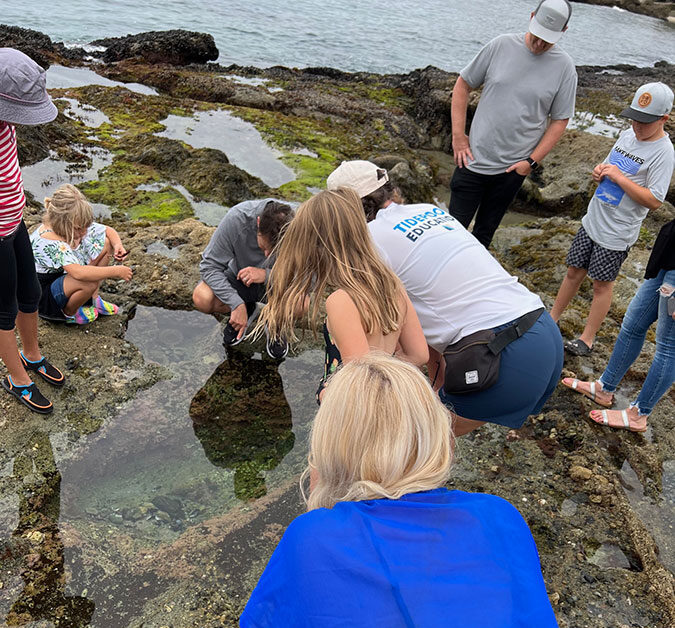
Laguna Ocean Foundation has hosted several BioBlast community science events since 2025! In the last year, we have identified:
778 unique iNaturalist project observations
253 observed species
60 total participating observers
Join us for our next BioBlast event to contribute to science!

California Coastal Cleanup Day
California Coastal Cleanup Day brings awareness to the state’s marine debris problem and provides a community event for direct involvement. Join the movement for an environment where people and ecosystems can survive and thrive!
This statewide event is organized every September by the California Coastal Commission, but the Laguna Ocean Foundation, City of Laguna Beach Police Department, and Laguna Beach Chamber of Commerce work together to host the annual Laguna Beach cleanup held at Main Beach.
Nurdle Alert!
Laguna Ocean Foundation is continuing the work of Nurdle Patrol in Laguna Beach to help clean local environments while bringing awareness to the issues of microplastics in Southern California. Nurdles are the raw material that almost everything plastic is made from. It is a small plastic pellet the size of a lentil and is considered microplastic.
Nurdles can enter the environment through every step of the supply chain and once on the ground, they are subject to rain that lifts them up and carries them to the nearest waterway, ultimately leading to the ocean. Once nurdles are in the environment, they absorb harmful chemicals such as PCBs, DDTs, and PAHs. These are harmful to the animals when consumed and can be deadly to the animals if chemicals are in high enough concentrations when consumed.
Keep an eye out along the high tide line for nurdles and share your findings with Nurdle Patrol here.

